
Reflections on time
geologic time, seasons, and the long view

I’ve been thinking about our storyline
how your past becomes your present if it’s always on your mind

-lyrics from "Dionne (feat. Justin Vernon)" by The Japanese House
Time has been on my mind lately. Flight times, field work schedule, deadlines and due dates, summer calendar, my to-do list for the weekend. Sometimes looking at my calendar is exhausting (so much travel coming up in May!), and sometimes looking at my calendar is relieving (look at those weeks with no plans!).
My research brain has also been contemplating time as it relates to the field stations I study. History and seasonality are common ways to think about how time passes in a place. However, there are other conceptualizations of time and our passage through it, so today we’re going to consider the deep past, cycles of time, and what it means to take a longer view of the future.
Deep time
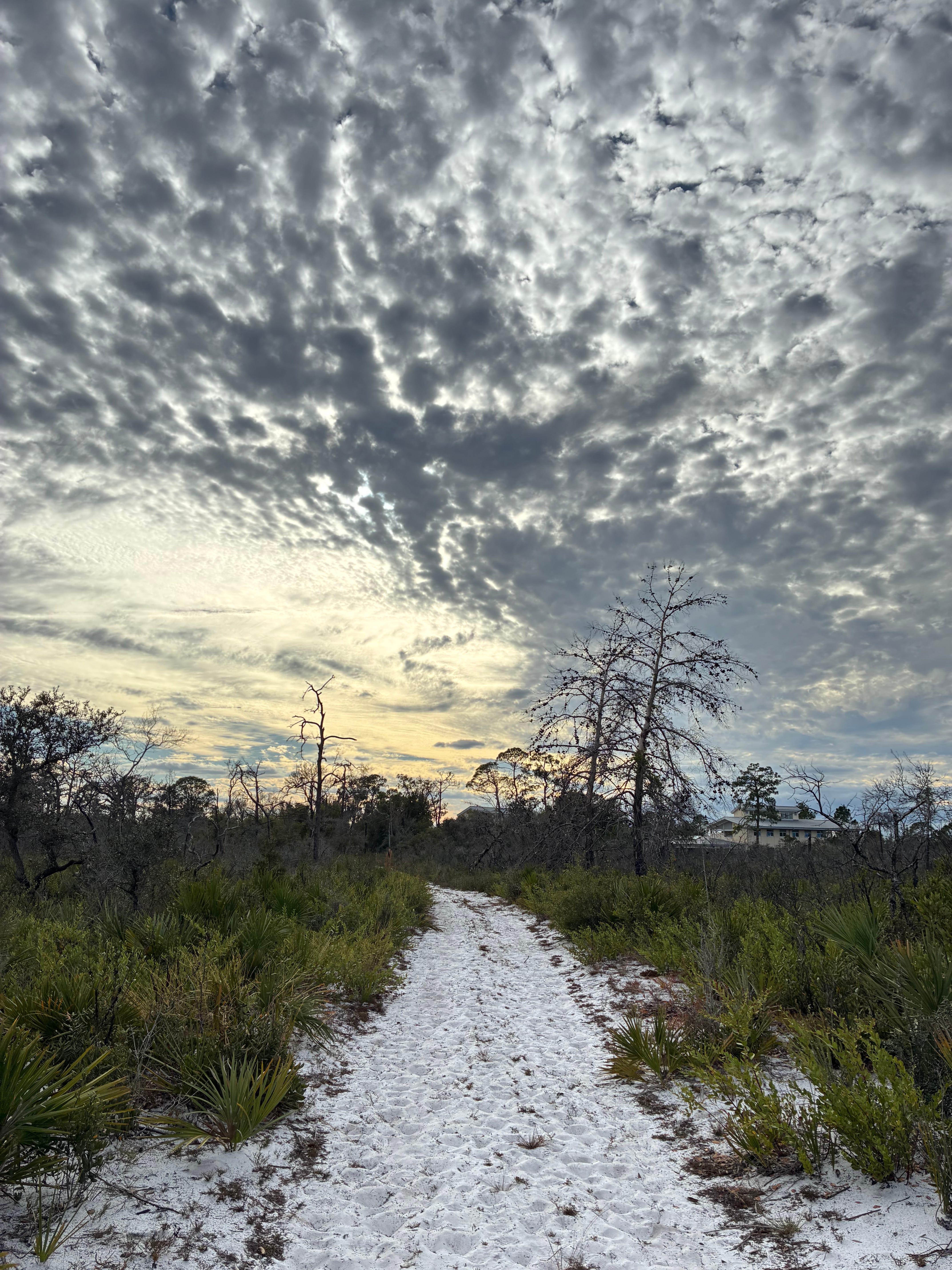
This January, so early you could barely call it 2026, I visited Archbold Biological Station in central Florida. Archbold is located at the southern end of the Lake Wales Ridge and at the headwaters of the Everglades, making it a prime location for long-term, ecosystem-specific research. The Lake Wales Ridge is the backbone of Florida: a 100-mile stretch of sand dunes, wetlands, lakes, and scrub habitat. Over 2 millennia, as ocean levels rose and fell, what is present-day Florida was covered in water except for a string of islands that are now the land that makes up the Lake Wales Ridge. This kind of geographic isolation lends itself to a unique evolutionary path, resulting in rare endemic species only found in that ecosystem, such as the Florida scrub jay. While this geologic time scale is literally a thing of the past, it is also the reason this region exists at all, and it is directly influencing the kind of science and education happening at Archbold. The deep time view, going back millions of years (aka, to a time without humans), not only helps us understand the past, it helps us understand the present and our place in it1.
Seasonality
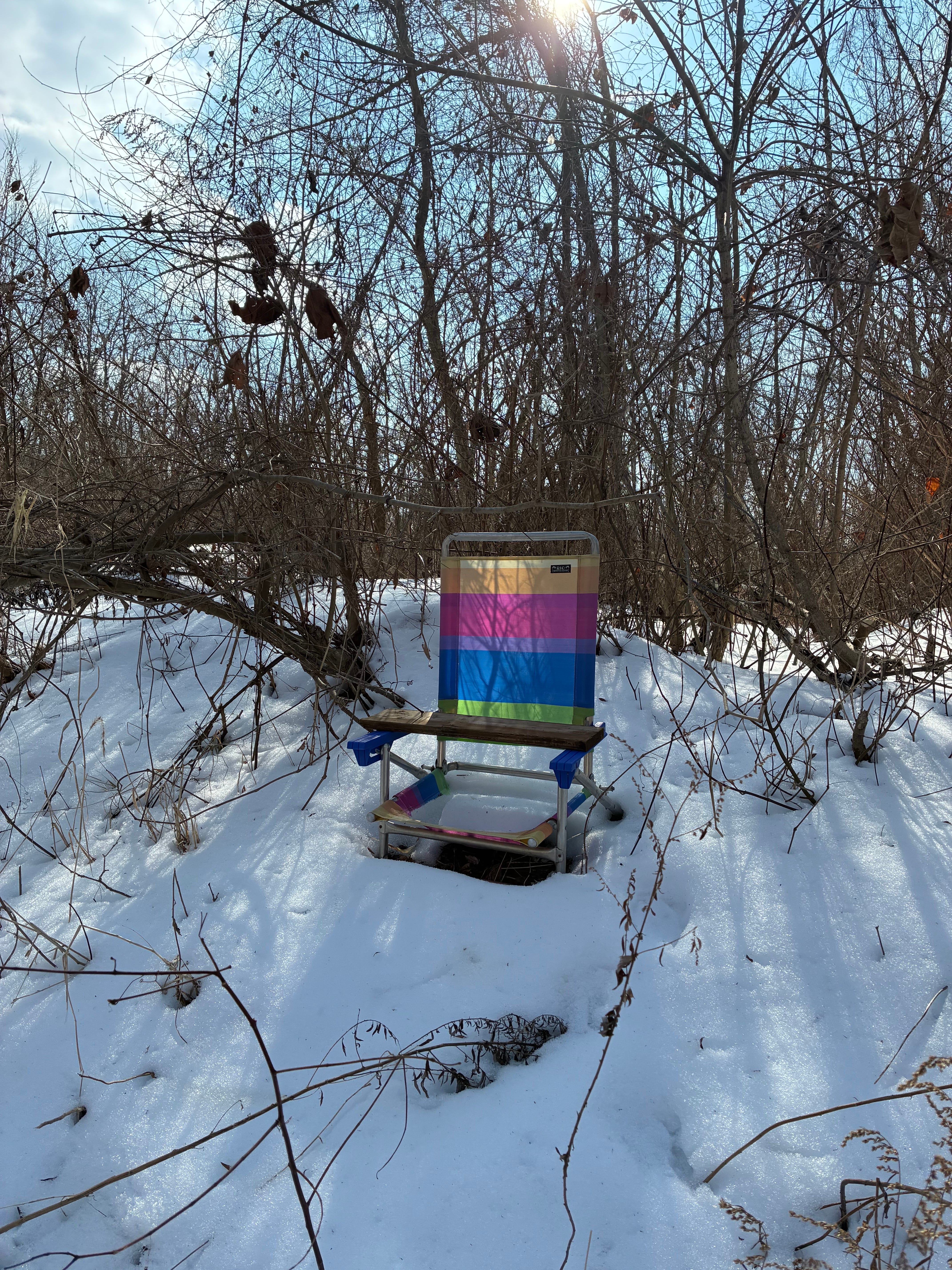
Over the last year, I have been working on my Second Annual Reading of the Seasonal Quartet by Ali Smith. I’m re-reading the series by aligning my reading of each book with its titular season; I start reading each book on or right after the associated solstice or equinox. Along with this intentional reading, I have been living in one place consistently over the past year. Through this, I have noticed how both the external world and my internal energy shift with the seasons. In an effort to connect to our planetary orbit, I’ve tried leaning into the energy of each season—whether inside, cozy time of winter, or the spirited, outside energy of summer.
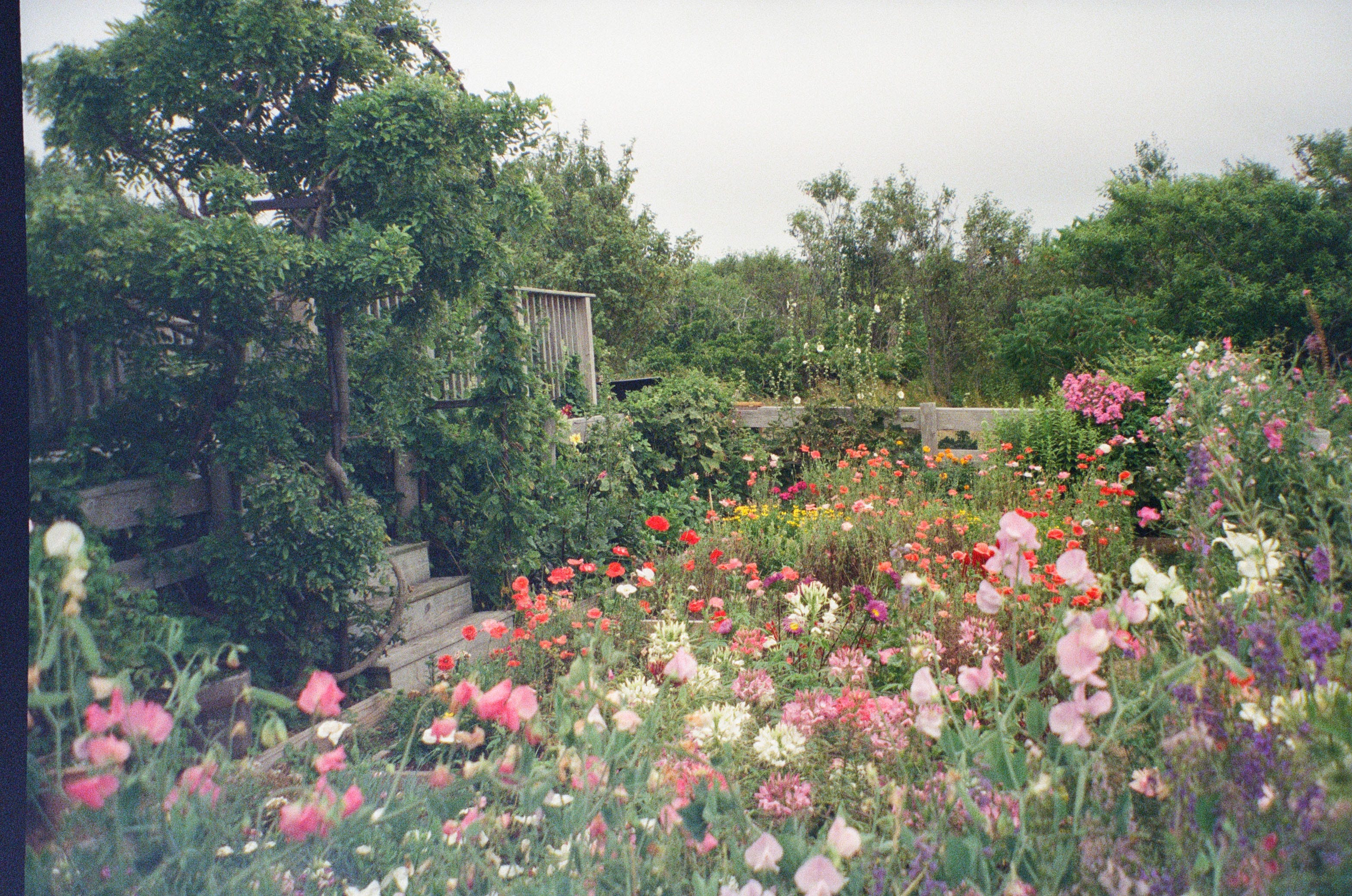
In the field station and marine lab world, the cycle of the year is also marked by seasons. For FSMLs that are open all year, they might experience school field trip season, grant writing season, intern season, field work season. Each of these portions of the year has different energy and activities, just like the earthly seasons. On the flip side, some FSMLs are not open year-round, so the difference between in-season and off-season can feel even more stark. In this case, for people who get to return annually to a field station, the time spent there becomes a season itself, an important marker in the year. Seasonality allows for a sense of the special, the memorable, the value in the infrequent moments—whether it is the summertime ice cream stand reopening, candles on a snowy evening, or the annual return to a beloved field station.
The long view
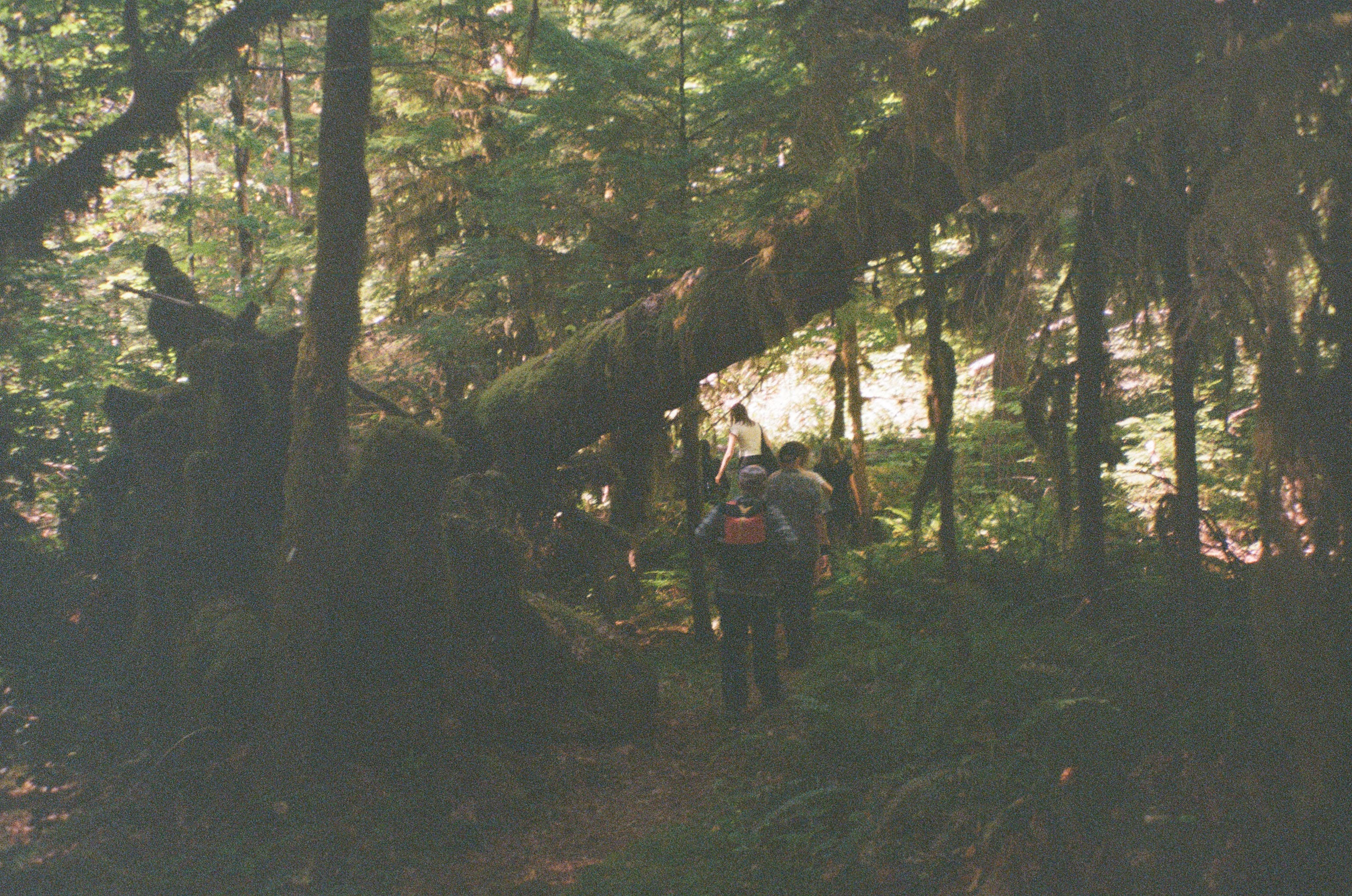
If the deep time view takes our knowledge of the past to understand our position in the present, then the long view takes note of our present and looks hopefully into the future. Last August, I visited the H.J. Andrews Experimental Forest in Oregon, which is a Long-Term Ecological Research site in the western Cascade Range. The Andrews is home to old-growth conifer forest, a classic Pacific Northwest ecosystem that has been threatened over the last century or two due to the timber industry. What makes the Andrews notable is the way that both the long-term ecological research program and the arts and humanities program keep the future in mind. That is, they take the long view—rather than thinking about the next year or next grant cycle, folks at the Andrews are facilitating projects with a 200 year timeline. What does it mean to be part of such a long process of inquiry? To be part of a project you will not see the final results of? What does it mean to think about not just the next generation of scientists and artists, but multiple generations into the future? I think of the words of Robert Michael Pyle, lepidopterist and writer, noting the hopeful perspective of the long view:
To peer much further down the line requires not only empathy for those who follow, but faith in the future—even if you won’t be there to see it yourself.2
To wrap up, I’ll leave you with a question: how do you visualize a year? How would you draw what a year looks like? What shape does it take? My sister originally asked me this question, and I have only talked about it with a handful of people3, but I think it is such a fascinating rabbit hole that I want to pose it to you all. Sketch, discuss with friends, or leave your answer in the comments! Take a moment to consider a different view on time.
Thanks for reading,
Jenna :)
A few years ago I read Timefullness by Marcia Bjornerud, if you want a book to dive deeper into geology concepts.
Pyle, Robert Michael. “The Long Haul.” Orion, September October 2004, pp. 70-71.
shoutout Bethie, Alexandra, Claudia, and Steven :)